Welcome to Ipê Learning Collaborative
Our Philosophy
At Ipê, we begin with what people already carry.
Stories. Memory. Culture. Questions. Knowledge shaped by work, family, community, struggle, and joy.
We believe learning happens when these ways of knowing meet—when knowledge is not simply delivered, but exchanged, questioned, remembered, and remade.
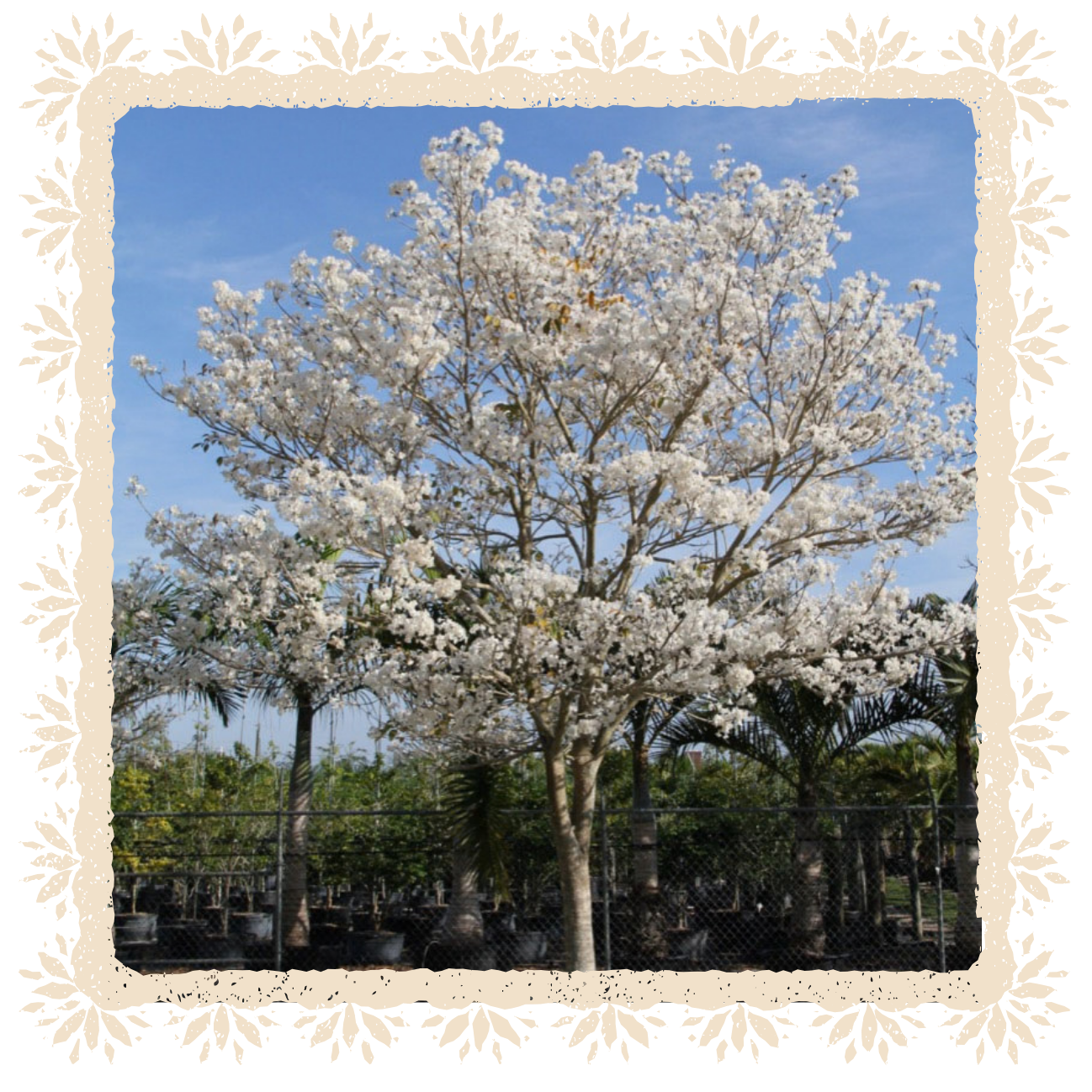
Our name comes from the Ipê tree, which blooms brilliantly in the dry season. It reminds us that difficult ground can still hold possibility. That what appears dormant may be gathering strength. That transformation often begins beneath the surface.
This is how we approach learning.
Rooted in praxis—reflection, action, and transformation—we make space to question what we have inherited, recover what has been pushed aside, and imagine what could grow in its place.
Because expertise does not live only at the front of the room.
It lives in scholarship and practice.
In culture and community.
In memory and lived experience.
In the questions we have not yet learned to ask.
At Ipê, we bring these forms of knowledge into conversation.
We root. We question. We reclaim. We imagine. We act.
And from there, something new can bloom.
Our Offerings
At Ipê Learning Collaborative, we believe meaningful learning begins with what people already know.
We create immersive trainings, professional development experiences, workshops, and training for psychotherapists, social workers, mental health professionals, and organizations seeking to deepen culturally responsive, reflective, and justice-centered practice.
Our approach is rooted in praxis: the ongoing relationship between reflection and action that makes transformation possible.
Luna Calderon, LCSW, Founder & Principal

Luna founded Ipê Learning Collaborative to create thoughtful, relational, and culturally grounded learning spaces where faculty and participants bring their full selves to the learning process, share knowledge and experience, challenge assumptions, and imagine new possibilities together. At Ipê, the knowledge each person already carries is not simply welcomed—it is an essential part of the learning.
Born in Brazil and raised in Mexico and the United States, Luna identifies as a hybrid, cisgender, queer, immigrant Latina who is now entering elderhood. Her lived experience navigating cultures, identities, and stages of life deeply informs how she understands learning, healing, and transformation.
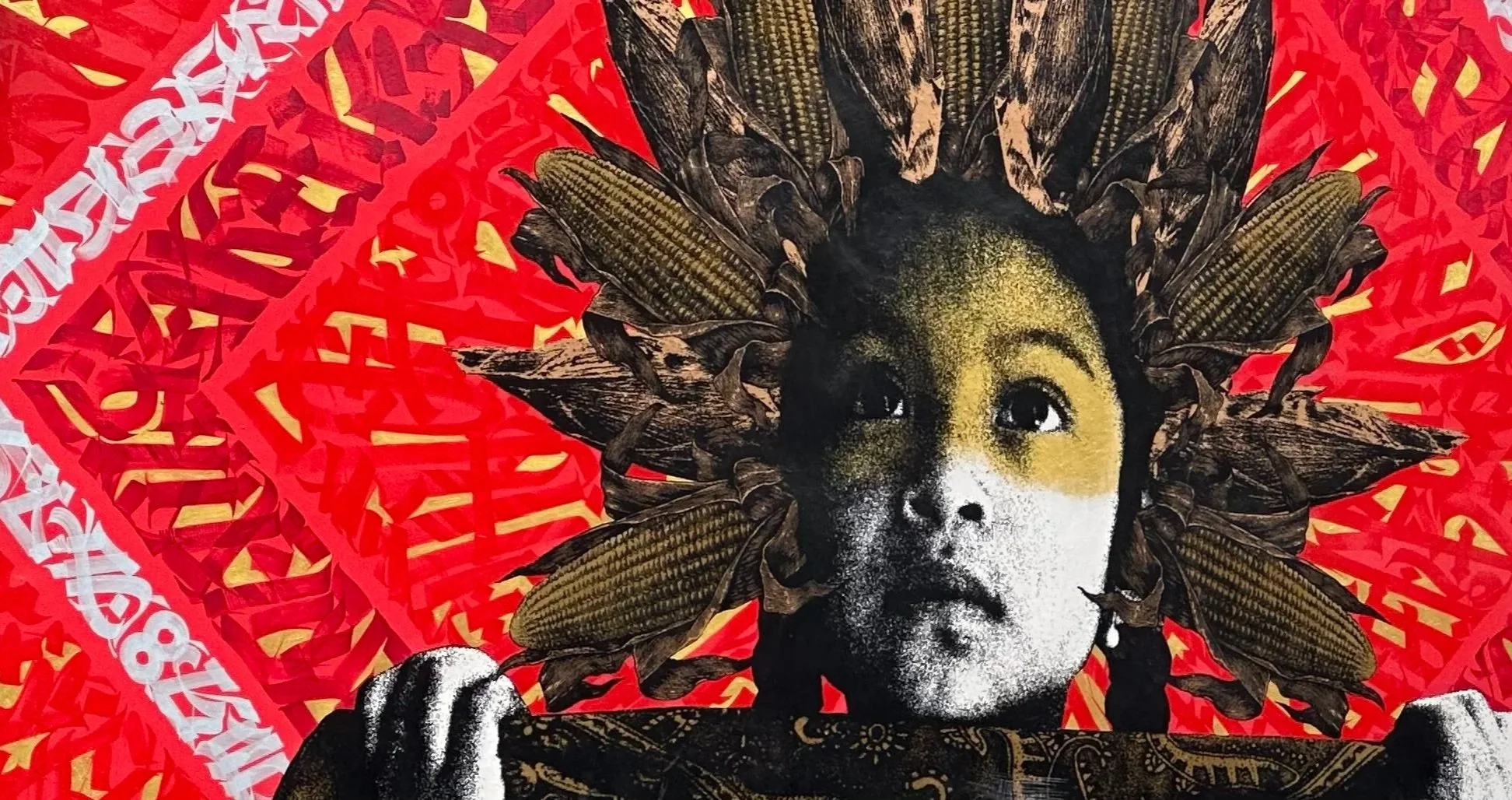
“Hija del Maíz” by Lapiztola and Saïd Dokins